Most people walk into their first Jiu-Jitsu class expecting to learn self-defense, get in better shape, or try something new. They want to understand how to escape difficult positions, control an opponent, or eventually earn their next belt.
What they don't always expect is how much Jiu-Jitsu can teach them about themselves.
At Tradition Jiu-Jitsu Academy in Port St. Lucie, we believe some of the most valuable lessons happen between the techniques. They're found in the moments when something doesn't go as planned, when a student finally understands a movement they've been struggling with, or when an experienced training partner takes the time to help someone new.
These experiences are part of what makes Brazilian Jiu-Jitsu different from simply following a workout routine. Every class presents opportunities to practice patience, solve problems, work with others, and become more comfortable with challenges.
And those opportunities aren't limited to adults. Children can learn many of the same lessons through age-appropriate training, often without realizing how valuable those experiences may become outside the academy.
Here are eight life lessons Jiu-Jitsu can teach you, whether you're stepping onto the mats for the first time or have been training for years.
1. You Don't Have to Be Good at Something to Start
One of the biggest obstacles in trying Jiu-Jitsu is the belief that you need to prepare before attending your first class.
Adults sometimes worry that they're not in good enough shape, aren't flexible enough, or have never participated in martial arts. Parents may wonder whether their child is coordinated, athletic, or confident enough to participate.
The truth is that nobody begins Jiu-Jitsu knowing how to do it.
Every black belt was once a white belt learning basic movements. Every experienced student has had moments when a technique felt awkward or an instructor's explanation didn't make sense right away.
That's a normal part of learning.
For children, accepting the role of a beginner can be especially valuable. They discover that it's okay not to know something, ask questions, and need help. They also learn that making mistakes doesn't mean they aren't capable of improving.
Adults experience something similar. Someone who feels confident and accomplished at work may suddenly find themselves learning a skill where they have very little experience.
It can be humbling, but it can also be refreshing.
The lesson beyond the mats: You don't have to wait until you feel completely prepared to try something worthwhile. Sometimes the best way to develop confidence is to begin, accept that you're learning, and give yourself permission to improve along the way.
2. Progress Isn't Always a Straight Line
Ask anyone who has trained Jiu-Jitsu for a while, and they'll probably tell you that some classes feel better than others.
One day, a technique you've been practicing finally starts making sense. Your timing improves, your movements feel more natural, and you leave class feeling encouraged.
Then you return a few days later and struggle with something you thought you already understood.
This is one of the realities of learning Jiu-Jitsu.
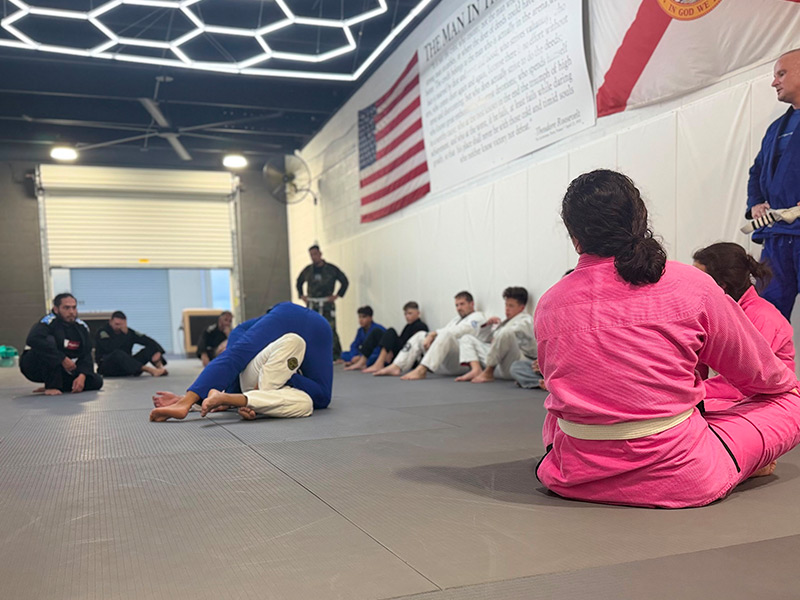
Progress isn't always obvious, and it rarely happens at the same pace for everyone. Some students pick up certain movements quickly, while others need more repetition. A technique that works well with one training partner may be much harder to execute against someone with a different style or level of experience.
That doesn't necessarily mean you're moving backward.
It means you're continuing to learn.
We encourage our students to recognize improvements that aren't always reflected by a new belt or stripe. Remembering a technique without assistance, maintaining better balance, or recognizing a familiar position can all represent meaningful progress.
For younger students, this helps develop patience. Instead of expecting immediate success, they begin to understand that learning requires practice.
Adults can benefit from the same perspective, particularly when they find themselves comparing their progress to classmates.
The lesson beyond the mats: Improvement takes time, and occasional setbacks are part of the process. Whether you're learning a new skill, working toward a professional goal, or helping your child overcome a challenge, consistency and patience often matter more than immediate results.
3. Staying Calm Is a Skill You Can Practice
Jiu-Jitsu has a way of revealing how people respond when they're uncomfortable.
During controlled training, a student might find themselves underneath a partner, struggling to escape a position, or unsure what to do next. A common beginner reaction is to tense up, hold their breath, or try to move as quickly as possible.
Unfortunately, those reactions can make the situation more difficult.
As students gain experience, they learn to recognize when they're becoming frustrated or overwhelmed. With guidance, they can practice slowing down, breathing normally, protecting themselves, and looking for a technical solution.
This doesn't mean experienced students never feel pressure. It means they've had more opportunities to practice responding to it.
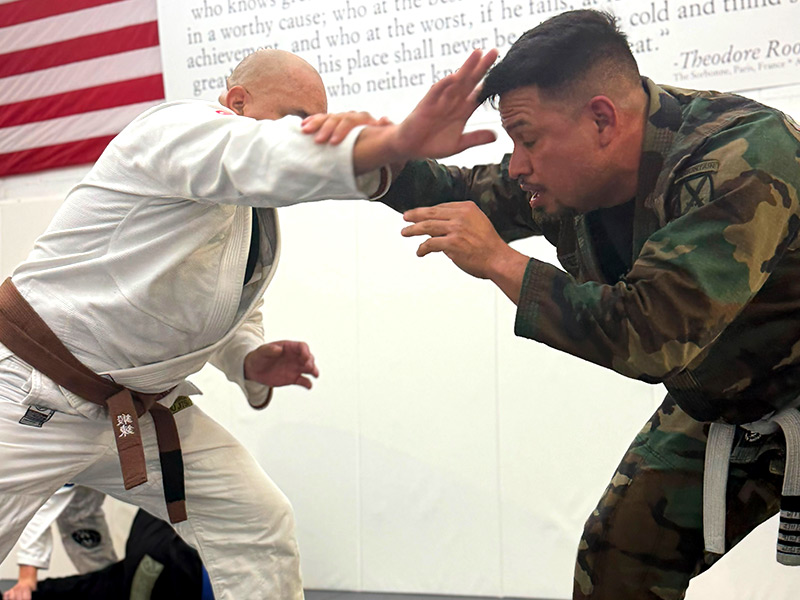
In our Kids Jiu-Jitsu classes, this lesson can begin with something as simple as taking a moment to listen to instructions after an unsuccessful attempt. Younger students gradually learn that frustration doesn't have to determine what they do next.
For adults, the lesson becomes especially apparent during positional training and live rolling. Remaining composed can help students conserve energy, recognize opportunities, and make better decisions.
It's also important to understand that staying calm doesn't mean ignoring discomfort or pushing through an unsafe situation. Students should communicate with their partners, respect their limits, and tap when necessary.
The lesson beyond the mats: We can't eliminate every stressful situation, but we can practice how we respond. Learning to pause before reacting can be useful during disagreements, difficult conversations, and unexpected challenges in everyday life.
4. You Can't Control Everything, but You Can Control Your Response
You can enter a Jiu-Jitsu round with a plan, but there's no guarantee your training partner will cooperate with it.
Maybe you want to practice a particular guard pass, but your partner changes position. You attempt a sweep, only to discover that the opening you expected isn't there. You establish a grip, and your partner immediately breaks it.
Jiu-Jitsu is full of situations that require adjustments.
Students gradually learn that forcing the original plan isn't always the best answer. Sometimes they need to change direction, recognize a different opportunity, or return to a more stable position before continuing.
This is one reason technique and problem-solving are such important parts of training.
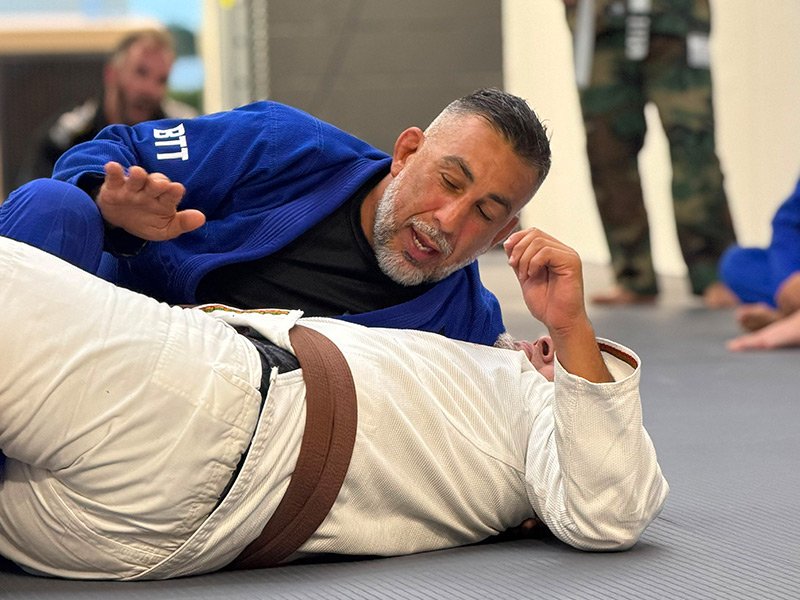
A student who relies entirely on strength may become frustrated when an approach stops working. Someone who learns to recognize positioning, leverage, and timing has more options available.
For children, adaptability can be practiced through structured games, drills, and partner exercises. They learn to follow directions while also responding to changing situations.
For adults, live training provides a continuous reminder that other people have their own ideas, strategies, and reactions.
You can prepare, but you cannot control every outcome.
The lesson beyond the mats: Plans change. Unexpected problems arise. Other people don't always respond the way we anticipate. Being adaptable means recognizing what you can influence and making thoughtful adjustments instead of becoming stuck on what you originally expected to happen.
5. Respect Is Shown Through How You Treat Others
Respect is an important part of martial arts, but it involves much more than bowing, shaking hands, or addressing an instructor properly.
It's reflected in how students treat their training partners.
A more experienced student might help a beginner understand a technique instead of becoming impatient. A larger student might adjust their intensity when training with someone smaller. Two partners may have a challenging round and still thank each other afterward.
These interactions matter because Jiu-Jitsu depends on cooperation, even when students are practicing competitive techniques.
Without training partners who trust and respect one another, it's difficult to create a productive learning environment.
In children's classes, respect includes listening to instructors, following safety rules, taking turns, and recognizing that classmates have different abilities and experience levels.
It also involves learning how to win and lose appropriately.
A student who performs well during a drill doesn't need to embarrass someone who struggled. Likewise, a student who has difficulty with an exercise can learn to acknowledge their partner's success without becoming discouraged.
For adults, respect includes communicating about injuries, training intensity, and personal boundaries. It means understanding that every round doesn't need to become a competition.
The lesson beyond the mats: Character is often demonstrated through everyday interactions. How you treat people who are less experienced, how you respond to disagreement, and how you handle success can say more about you than any achievement or title.
6. Consistency Matters More Than Natural Talent
It's easy to be enthusiastic about something when it's new.
Your first few adult Jiu-Jitsu classes introduce unfamiliar movements, techniques, and challenges. Everything feels exciting, and you may be eager to learn as much as possible.
But eventually, that initial excitement settles into a routine.
Some classes are difficult. Certain techniques require weeks or months of practice. Work, school, family responsibilities, and other commitments can make maintaining a training schedule challenging.
This is where consistency becomes important.
Students don't develop their skills simply by attending a few exciting classes. They improve by returning to the fundamentals, practicing familiar movements, asking questions, and gradually building on what they've learned.
Natural athletic ability can be helpful, but it doesn't replace the experience gained through regular practice.
We see value in helping students establish realistic expectations. Not everyone can train five days a week, and they don't need to. A sustainable schedule that fits someone's responsibilities is often more useful than an ambitious routine they can't maintain.
For children, attending classes regularly creates opportunities to practice responsibility and follow through on commitments.
For adults, it can provide a structured activity that encourages them to make time for their own development.
Rest and recovery are part of consistency, too. Training intelligently means recognizing when your body needs a break rather than treating every session as a test of endurance.
The lesson beyond the mats: Meaningful accomplishments are often built through ordinary habits repeated over time. You don't have to make dramatic improvements every day. You need a realistic approach that allows you to keep learning.
7. Real Confidence Doesn't Need to Prove Anything
Confidence is one of the reasons many parents enroll their kids in Jiu-Jitsu classes. It's also something adults frequently hope to develop through martial arts.
But confidence doesn't necessarily mean becoming louder, more aggressive, or eager to demonstrate what you know.
In Jiu-Jitsu, genuine confidence often develops quietly.
A beginner who once felt uncomfortable participating in class may eventually become willing to ask questions. A child who hesitated during partner drills might begin volunteering to demonstrate a movement. An adult who initially struggled with basic positions may recognize that they're becoming more capable.
These moments matter because confidence becomes connected to experience.
Students begin to understand what they know, recognize what they still need to learn, and become more comfortable with both.
Jiu-Jitsu also has a way of keeping confidence in perspective.
No matter how experienced someone becomes, there will always be techniques they can improve, positions that challenge them, and training partners who expose gaps in their understanding.
That creates opportunities to develop confidence without losing humility.
It's particularly important when discussing self-defense. Learning Jiu-Jitsu should never encourage students to seek confrontations or assume they're invincible. Good judgment, awareness, and avoiding unnecessary conflict remain essential.
For children, we want confidence to support positive decisions, including speaking up appropriately, asking for help, and treating others respectfully.
The lesson beyond the mats: Real confidence comes from knowing you've put in the work while understanding that you still have room to grow. You don't need to prove yourself in every situation to recognize your own progress.
8. Helping Others Improve Makes You Better, Too
Although Jiu-Jitsu involves individual skill development, nobody becomes proficient entirely on their own.
You need instructors who explain techniques, partners who practice with you, and teammates who challenge you in different ways.
That's why one of the most meaningful lessons in Jiu-Jitsu is learning to contribute to someone else's progress.
An experienced student may notice that a beginner is struggling with a movement and offer a helpful suggestion. Two classmates might stay after a drill to repeat a technique a few more times. A student who has just learned something new may help a partner understand it.
These interactions strengthen the training environment for everyone.
Helping someone else can also improve your own understanding. Explaining a technique requires you to think about how it works, identify important details, and communicate those ideas clearly.
Sometimes teaching a movement reveals something you hadn't fully considered yourself.
For children, helping classmates encourages cooperation, patience, and empathy. They begin to recognize that someone else's success doesn't take anything away from their own achievements.
For adults, supporting newer students can be a reminder of how much they've learned since their first class.
At Tradition Jiu-Jitsu Academy, we want students to recognize that being a good training partner is part of becoming a better martial artist.
The strongest academy communities aren't built only around the accomplishments of individual students. They're built through people who encourage one another, train responsibly, and take pride in seeing their teammates improve.
The lesson beyond the mats: Success becomes more meaningful when you can contribute to the growth of others. Whether you're helping a coworker, encouraging your child, or supporting a friend, sharing what you've learned can benefit everyone involved.
The Lessons Don't End When Class Is Over
One of the things we appreciate most about Jiu-Jitsu is that students can take different lessons from the same training experience.
A young child might learn to wait patiently for their turn, while an older student begins developing the confidence to try unfamiliar techniques. An adult might discover that they need to slow down and think instead of relying on strength. Someone who has trained for years may realize that helping newer students is becoming one of their favorite parts of class.
None of these lessons requires a tournament medal or a particular belt rank.
They're part of the everyday experience of learning, practicing, and interacting with others.
Of course, attending Jiu-Jitsu classes doesn't automatically transform someone's personality or solve every challenge they face. These qualities develop through consistent effort, thoughtful instruction, and a willingness to apply what you've learned.
That's why we believe the way students train matters just as much as the techniques they practice.
Our goal at Tradition Jiu-Jitsu Academy is to help children and adults develop their Jiu-Jitsu skills in an environment that encourages respect, personal responsibility, and continued improvement.
And when students begin carrying those habits into their everyday lives, the value of training extends well beyond the mats.
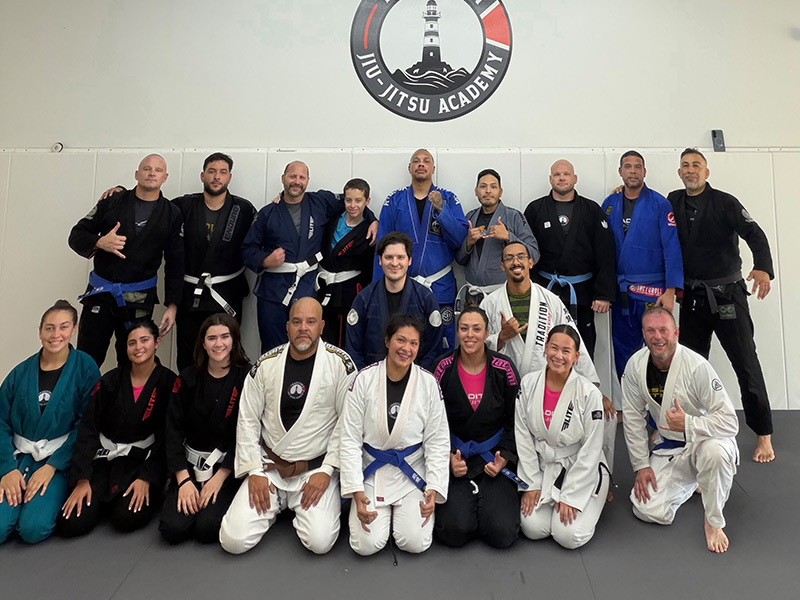
Experience Jiu-Jitsu at Tradition Jiu-Jitsu Academy
Whether you're interested in learning self-defense, finding a new physical activity, or helping your child develop confidence and discipline, Jiu-Jitsu offers opportunities to grow at every stage of life.
At Tradition Jiu-Jitsu Academy in Port St. Lucie, we offer programs for children, adults, and women, with instruction designed to support students across different ages and experience levels.
You don't need previous martial arts experience, exceptional flexibility, or a particular fitness level to take the first step.
You simply need to be willing to learn.
We offer your first week of Jiu-Jitsu classes free, so you can meet our instructors, experience the academy, and discover whether training is right for you or your family.
Visit us in Tradition, Port St. Lucie, or contact our team to get started.


